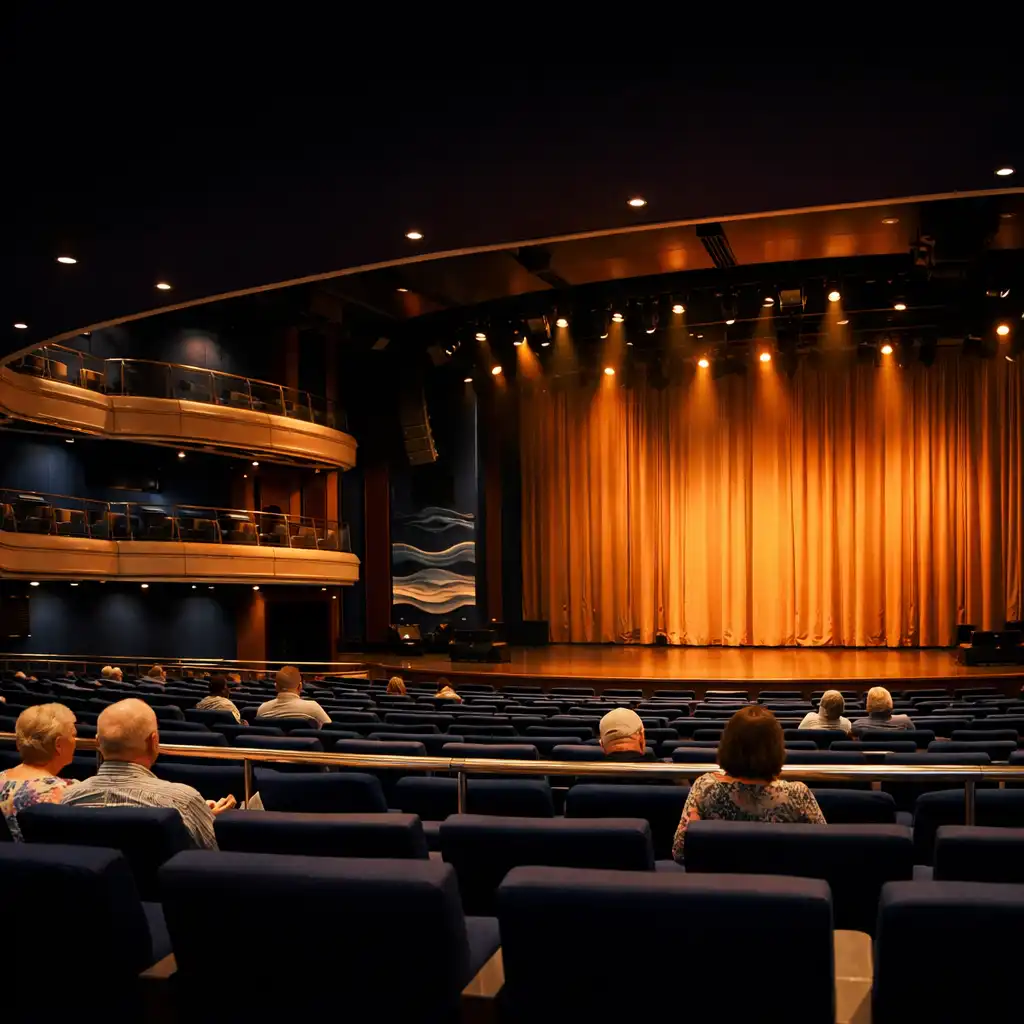
Modern cruise ship theatre with softly lit stage, balcony seating and passengers settling in before an evening performance

Deck 07 / Entertainment

Entertainment at sea, mapped for real evenings

ADSIGHT LTD is an independent cruise travel information portal for travellers comparing modern cruise ship entertainment. From headline shows and informal live music to family activities and quieter adult-focused spaces, this guide helps you understand the onboard rhythm without treating a venue list as a booking promise.

A theatre is often the evening’s largest gathering point, but it is only one part of a ship’s entertainment plan.

Venue map

A map of onboard entertainment spaces

Modern ships often distribute entertainment across several scales of venue. When comparing ships, look beyond the headline theatre: smaller rooms, adaptable lounges, family areas and quieter zones can shape how comfortably a day or evening fits together.

01

Theatre and main stage

The main theatre is commonly the ship’s principal performance venue, with raked seating, a broad stage and scheduled evening sessions. Production-style shows, guest acts and presentations may appear there, depending on the sailing. Check the daily programme for start times and any repeat performance: the practical choice can be less about finding a show than fitting it around dinner, port returns and your preferred seating position.

Typical use
Shows, acts, presentations
Consider
Sightlines and arrival time
02

Music rooms and lounge stages

Music can range from a formal show lounge to a small bar or atrium stage. A live set may work as an early-evening pause, a post-dinner stop or a later social moment, but the sound level, seating pattern and set times can differ markedly from room to room. Think of these venues as flexible spaces rather than smaller theatres, and use the day’s programme to see what is actually scheduled.

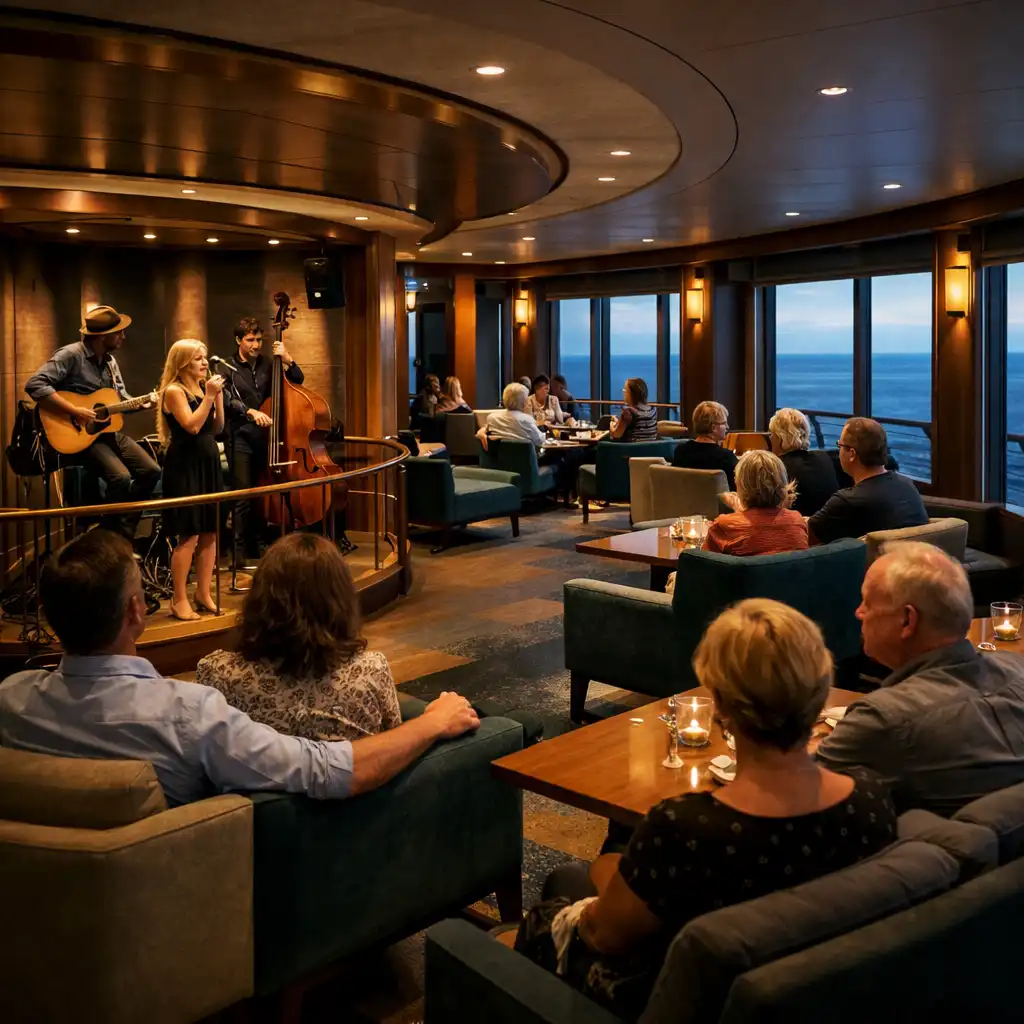
Small acoustic group performing in a refined cruise ship lounge with relaxed table seating
Smaller music venues can shift in mood as the evening progresses.
03

Flexible lounges

Lounges are often mixed-use social rooms rather than dedicated performance spaces. Alongside music, they may host conversation, quizzes, talks or low-key entertainment. Their scale and informality can make them useful when you want to drop in rather than commit to a full performance. Best for: a change of pace, a short gathering point or a quieter alternative when the main theatre is busy.

04

Family zones and kids’ clubs

Family entertainment may include shared activity areas, dedicated children’s spaces and supervised clubs where these are offered. Age bands, supervision arrangements, session times and sign-in or collection requirements vary by ship. For carers, the useful comparison is not simply whether a club exists, but how its current arrangements fit the family’s day. Verify the relevant ship rules before travelling, especially if a port-day return or dinner plan depends on them.

Timing is ship-specific

05

Adult-focused spaces

Adult-oriented areas can provide a quieter counterpoint to family activity and scheduled venues. They may include calm lounges, sun-deck retreats or later-evening spaces, but access thresholds, opening periods and reserved arrangements are not universal. Treat them as an atmosphere to investigate, not a guaranteed feature, and check how a particular ship uses the space across a sailing.

Plan a day at sea

Build an evening around the ship’s rhythm

The daily programme is usually the most useful onboard reference for show times, venue changes and one-off activities. Use it as a practical map: it can help you avoid clashes between dining, a late return from port and a performance you would genuinely like to see. ADSIGHT LTD provides informational travel content; the current sailing detail remains the best guide to what is operating.

Evening plan01—03
01

Check entry and seating arrangements

Popular performances may use allocated times, first-come seating or another arrangement set by the cruise line and ship. Confirm what applies before you organise the rest of the evening. Where seating is unreserved, arriving with time to spare can make the process less hurried; it does not guarantee a particular seat. It is also worth checking whether late entry is handled differently in different venues.

Why it matters: the same show time can feel very different if access is managed in another way.

02

Plan around dining and ship movement

Put dinner, a performance, a lounge visit and a quiet return into a realistic order. Dining times can affect how quickly you can reach a venue, while shore excursion returns may leave little margin before an evening event. On a larger ship, lifts, deck changes and the distance between venues also matter after a long port day. A simple sequence—dinner, performance, lounge, return—often reveals where you need more time.

03

Consider comfort and access

Temperature: rooms can feel different from open decks. Sound: music and crowd levels vary. Sightlines: central, side and balcony positions may change the view. Mobility: routes, lifts and seating access deserve advance thought. Assistance: facilities and arrangements differ by ship. Where a need is specific, check current ship information or ask the cruise line directly before relying on an assumption.

Main-stage guide

Theatres and live shows: the planned centrepiece

Theatres are scheduled venues where a performance can become a central evening event, although programme styles range widely. Depending on the ship and itinerary, the programme may include stage productions, visiting performers or presentations. Some sailings may offer repeated show times; others may use a different rhythm. The useful approach is to see the theatre as a planned destination, then confirm the current schedule and access details rather than assuming a fixed format.

Look for

Time
Start and likely duration

Location
Deck and route from dinner

Seating
Entry arrangement and sightline preference

Duration and timing

A show’s practical fit depends on when it starts, how long it runs and whether it sits comfortably after your dining time. Leave a little room for moving through the ship and arriving before curtain time.

Dining connection

Consider whether you prefer to eat before the performance, after it, or keep the evening lighter. The daily programme can make overlapping commitments easier to spot.

Seating preference

Think about steps, distance from the stage and how important a central view is to you. Venue layout, access routes and late-entry practice can differ.

Venue scale changes the experience

A larger theatre and a smaller show lounge can both host live entertainment, but their room geometry creates different expectations. Balcony, central and side seating affect views in different ways, and no single layout applies across modern ships.

Larger theatre
Often suits a planned performance, with more formal seating patterns and a longer route from some parts of the ship.
Smaller show lounge
May feel closer and more informal, but seating, crowd flow and sound can be more closely tied to the room’s changing use.

Acoustic musicians performing in a warm cruise ship lounge with ocean-facing windows
An intimate lounge setting can support listening as well as casual social time.

Music venues and lounges: flexible evenings

Live music can be an informal alternative to a scheduled theatre performance. Acoustic sets, bands, pianists and other performers may appear in smaller rooms, and the atmosphere can shift through the evening as guests arrive or move on. These spaces work well when you want a shorter stop, but set times and room character should be checked on the day rather than assumed from a ship description.

Share the space comfortably

Arrive: allow time to find a seat without cutting through a performance. Settle: leave room for others in popular spaces and keep mobility routes clear. Move on: if the mood changes or the venue fills, a short walk to another lounge may be the better fit than treating one room as your only option.

Family planning

Families, kids’ clubs and shared activity areas

Family entertainment can blend shared activities, dedicated children’s spaces and time for carers to plan the day. The balance between supervised and family-led activity differs by ship and sailing, so it is best to view every listed facility as a starting point for research. A family area can be useful without being the centre of every day; the question is how its current arrangements fit your group’s pace and plans.

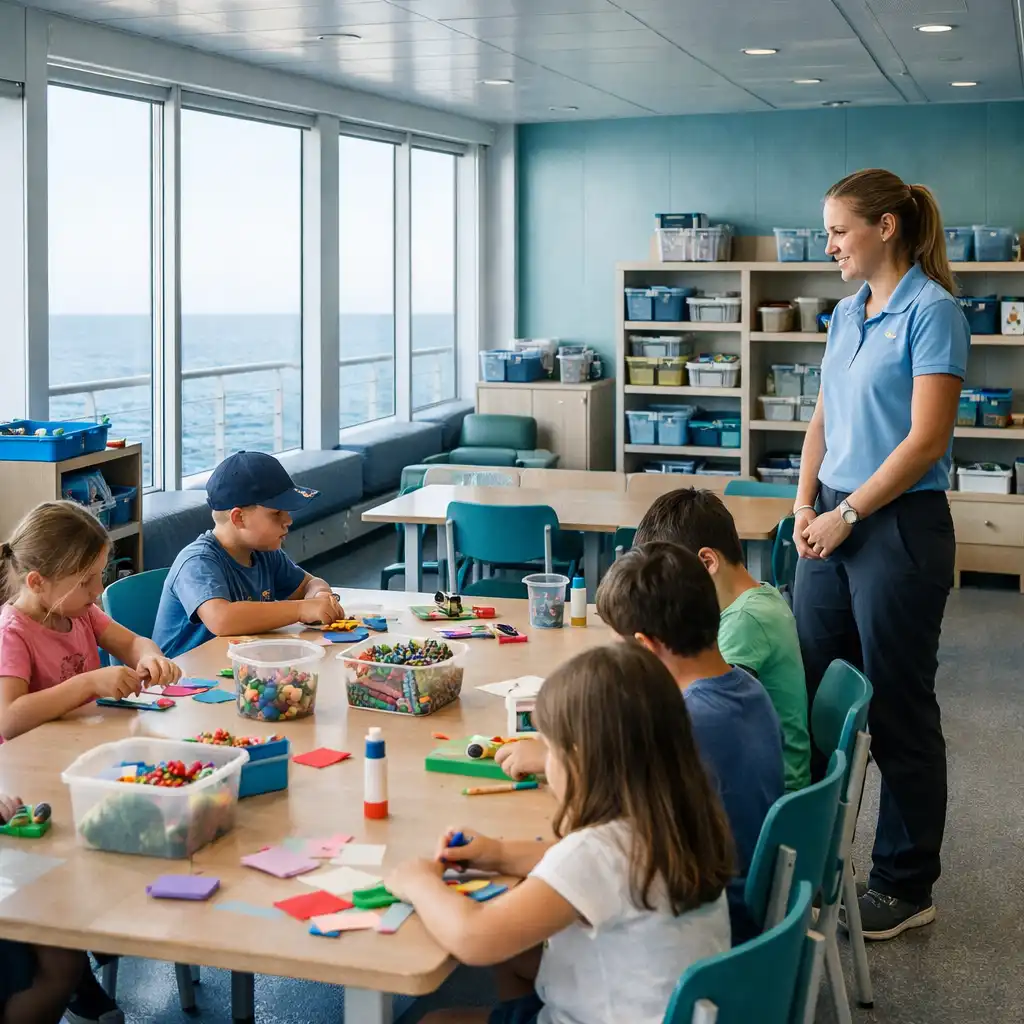
Contemporary cruise ship family activity room with supervised craft tables and sea views through large windows
Shared activity spaces can offer a practical daytime change of scene.
01

Age grouping

Check how the ship currently groups children and whether those bands suit your family.

02

Session timing

Confirm when activities run and whether port days or evenings follow a different pattern.

03

Sign-in arrangements

Understand the current arrival, collection and authorised-carer process before making plans around it.

04

Ship conditions

Ask about any sailing-specific conditions directly with the relevant cruise line.

Shared spaces shape the day

Beyond dedicated clubs, families may spend time around pools, activity rooms, casual entertainment or family-friendly show times where these are offered. Weather, port days and venue schedules can alter how busy those areas feel. Keep the daily programme handy, and allow for a change of plan if the ship’s movement, a late return ashore or a popular activity changes the expected flow.

Shared activityCasual entertainmentFamily timing

Quiet route

Adult-focused spaces and quieter downtime

Adult-oriented spaces may provide a quieter counterpoint to family hubs and scheduled venues. Access rules and opening periods are set by the cruise line and can differ by ship and itinerary, so they should not be treated as private or guaranteed. Instead, they are one useful part of comparing the overall atmosphere: a place to read, talk, pause or end the evening at a slower pace.

Quiet route Deck flow

Daytime retreat

Look for a calmer setting for reading, taking in sea views or stepping away from the busiest shared areas. A venue may be used differently later in the day.

Early-evening pause

A quieter lounge can bridge the time between returning to the ship and dinner, or offer conversation away from a larger performance crowd.

Later social space

Some spaces take on a more social character later on. Check the current programme and signage rather than relying on daytime impressions.

Comparison framework

A practical comparison lens for entertainment styles

Compare by rhythm, not hype. This framework offers questions to use while researching ships; it is not a rating, recommendation engine or booking tool. ADSIGHT LTD provides independent information, and the actual offering on any sailing can vary.

Swipe to compare

Four ways entertainment can shape a sailing
Decision promptTheatre-ledMusic-ledFamily-ledQuiet-space-led
Best suited toTravellers who enjoy a planned central event.Those who prefer shorter, flexible evening stops.Groups balancing shared time and age-appropriate activity.Travellers seeking a slower, less scheduled rhythm.
Plan ahead forStart time, entry arrangement and route from dinner.Set times, sound level and seating style.Current session details and family timing.Access conditions and changing venue use.
What may changeProgramme format, repeat sessions and seating practice.Performers, atmosphere and room use.Activities, supervision arrangements and busy periods.Opening periods, audience mix and availability.
Useful ship informationDaily programme and deck plan.Venue listing and same-day schedule.Current age, sign-in and session information.Daily programme and onboard signage.

Read the details behind the venue list

A ship may publish an impressive list of rooms without showing how they operate on your sailing. Use current sailing information, deck plans and daily activity details where available to understand location, timing and access. Programming can change, so a practical comparison is always more useful than treating a venue name as a promise.

Before departure

Before you sail: a short entertainment checklist

01

Programme timing: check current show and activity times against your port returns and dining plans.

02

Venue location: note the deck, lift routes and walking distance if mobility or tired children affect your evening.

03

Seating or entry: confirm the ship-specific arrangement for performances or busy venues.

04

Family conditions: verify age grouping, sessions and sign-in details before depending on a children’s space.

05

Accessibility details: seek current information directly when a particular route, seat or assistance arrangement matters.

Route end

Independent information, practical decisions

ADSIGHT LTD is an independent Australian English cruise travel information portal. We do not operate ships or sell cruise travel. Use this guide to form practical questions, then confirm final programme, access and timing details with current information for your ship and sailing.